
Distinctive Brand Assets are the building blocks for a branding strategy that establishes distinctiveness and triggers recognition at the most important moments. But most marketers are unclear on what they are, and most brands get them wrong.
Every brand should have a combination of elements that, when taken together, help bring that brand to mind for customers. A strong logo, a memorable colour scheme or a smart tagline, for example.
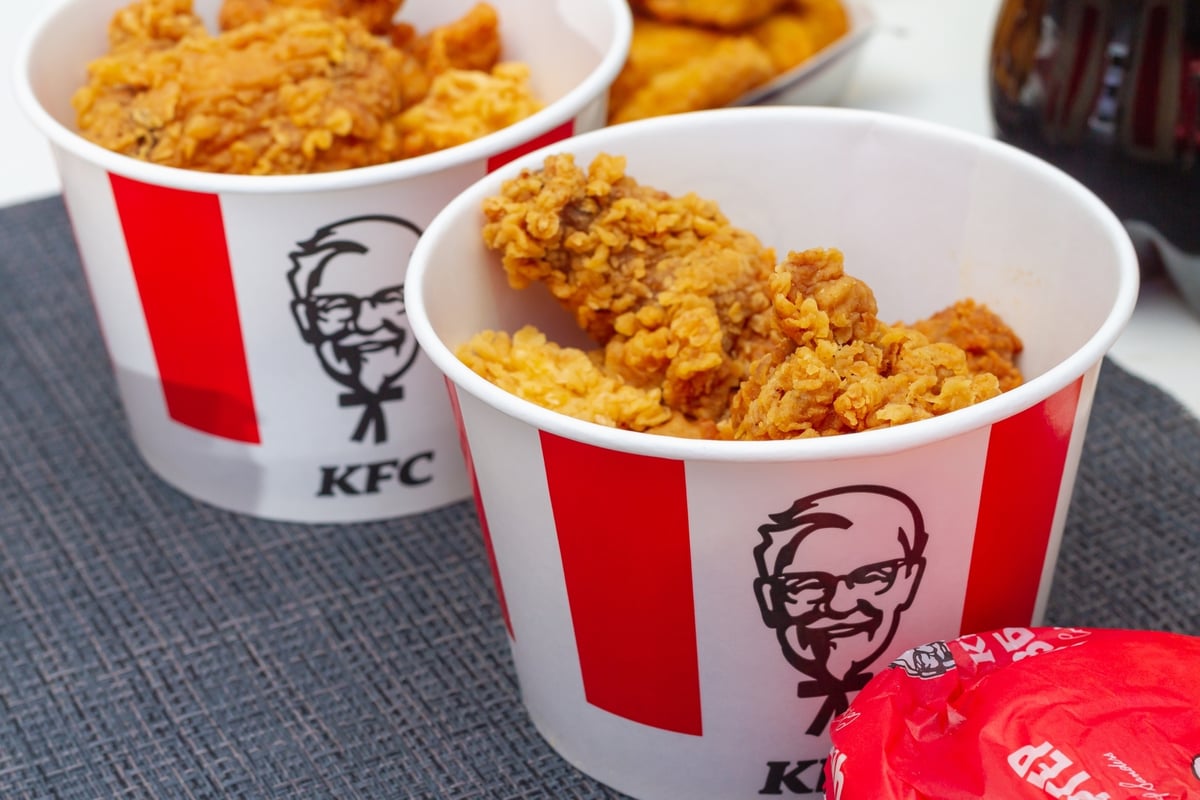
Nike has its swoosh, the ‘Just do it’ tagline and its custom-designed font. KFC has a bold combination of red and white stripes and a portrait of founder Colonel Sanders, all set against bucket shape imagery.
These Distinctive Brand Assets (DBAs), as the Ehrenberg-Bass Institute defines cues such as logos, colours, sounds or characters, help marketers make their brands distinctive.
But how comfortable are you talking about DBAs and what role they play in the strength of your brand? How confident would you be if tasked with the challenge of using DBAs to boost the distinctiveness of your brand
The knowledge gap
Research by Ipsos in March 2026 found that even familiarity with the DBAs concept was poor. The market research company’s Marketing Anchors report surveyed 1,226 marketers and found only 49% of participants could select the correct definition of DBAs from a multiple-choice list of four contrasting options.
While many of us are likely comfortable talking about logos and taglines – the component parts of DBAs – the Ipsos research suggests that beyond that, many of us get stuck.
This indicates that many marketers would struggle to optimise how their brand uses DBAs. And seems to be the case: joint research in 2023 by JKR and Ipsos found that 65% of brands surveyed had made bad choices, using DBAs that, when used in isolation, would be unlikely to signify the brand. The same research found that only 15% of companies were doing a great job.
A proper education in DBAs
TheMiniMBA in Marketing introduces DBAs, or brand codes as they are sometimes known, as a core part of ‘Double D marketing’, the pairing of distinctiveness and differentiation as the two most important levers in brand strategy. Taken together they are central to what we seek to do when we think about positioning our brands.
The course explores the effectiveness of different types of DBAs and how are they best used in combination. It allows marketers to improve their confidence in using and talking about DBAs and prepares them to create more ambitious plans to build distinctiveness.
Jenni Romaniuk, a professor at the Ehrenberg-Bass Institute and one of the leading experts on DBAs, defines a DBA as being “a specific visual or audio or sensory cue” that tells people something is from a specific brand.
That might take the form of a logo, a colour scheme or a font choice, but it might also take the form of a character or mascot, the use of a celebrity to endorse your brand, a distinctive audio clip or a bespoke smell.
She also said that distinctiveness “is looking like you and not like others”, emphasising that unlike differentiation, the use of DBAs is not about drawing comparisons with your competition or emphasising differences.
In the KFC example above, the portrait of Colonel Sanders shows the use of a character or mascot. Nando’s has one too, in the form of an illustrated chicken named Barci, and McDonald’s for many years had Ronald McDonald. But character DBAs aren’t just restricted to consumer businesses. In the B2B space, Salesforce has a mascot called Astro, who helps guides users around the software they make.
Characters and mascots might just seem a bit fun, but from the range of DBA options, they are notably effective and outperform more obvious choices, such as taglines. Research by Ipsos in 2020 found use of characters and audio assets was most likely to drive attention. Despite this, they are underused by marketers – a missed opportunity.
Netflix is a great example of a company that has used audio branding, often referred to as a sonic logo, to build distinctiveness, playing the sonic logo everytime somebody enters the Netflix platform. Intel is also strong in this space, using its sonic logo to help partners show they use Intel products.
DBAs can take other forms too. Coca-Cola is a good example of a company that uses multiple types of DBA to be distinctive, including the colour red, long-term taglines, its easily recognisable font and even its custom-designed glass bottle.
Creating the right mix
On the MiniMBA in Marketing, Mark Ritson guides students on how to put together the right combination of DBAs – one isn’t enough, but you can have too many – and encourages marketers to really commit and to “resist boredom”, because DBAs work best when you give them time.
He advises classes to opt for a ‘logo + three’ approach, selecting four DBAs overall, with the logo being one of those choices.
It’s important to get your DBAs right, he tells classes. Sometimes the choice of assets can be easy and obvious, based on the brand’s history or the advice of your creative team (or advisors). But sometimes the decision can seem arbitrary. However you come to a final decision, getting the right combination of DBAs really matters.
Join Mark Ritson on the MiniMBA in Marketing to increase your understanding of DBAs and confidently establish genuine distinctiveness for your brand. The next course starts in September '27 – secure your place here.
Cover: Olga / AdobeStock