
Actually, it’s closer to 3x according to research from System1 and Effie. Learn why brand codes – or distinctive brand assets – are critical to marketing effectiveness
Marketers have a soft spot for change, and a brand identity overhaul is usually at the centre of that temptation. The intention is good. The effect is often less so because, like Rome, brands aren’t built in a day. Nor in a lengthy presentation.
Brands are built in memory and consumers remember brands through consistency: showing up with the same brand codes, everywhere, for a sustained period of time.
Byron Sharp’s definition of mental availability makes the point neatly: growth depends on the “probability that a buyer will notice, recognise and/or think of a brand in buying situations” – in other words, the strength of those memory structures you’ve created by showing up consistently.
Well-trained marketers start with an unfashionable admission: “I don’t know… yet.” They diagnose before they decorate. In practice, that means working out what brand codes people already recognise, across the messy reality of consumer touchpoints – and leaning into it.
For more on testing which of your distinctive brand assets are most effective, read: Distinctive brands “paint with a palette of codes,” says Mark Ritson
Well-trained marketers also accept the humbling reality that brand recognition is fast and automatic. Buyers don’t pause to admire your branding; they catch fragments in motion and decide, quickly, whether it looks familiar or just more of the noise we’re bombarded with each day. No one wants to add to that pile.
Buyers don’t pause to admire your branding
Brand codes, also called distinctive brand assets or DBAs, are what make that quick recognition possible. They are the colours, shapes, characters, packaging structures, slogans and sonic mnemonics attached to our brand that, used consistently enough, trigger the brand name in buyers’ minds.
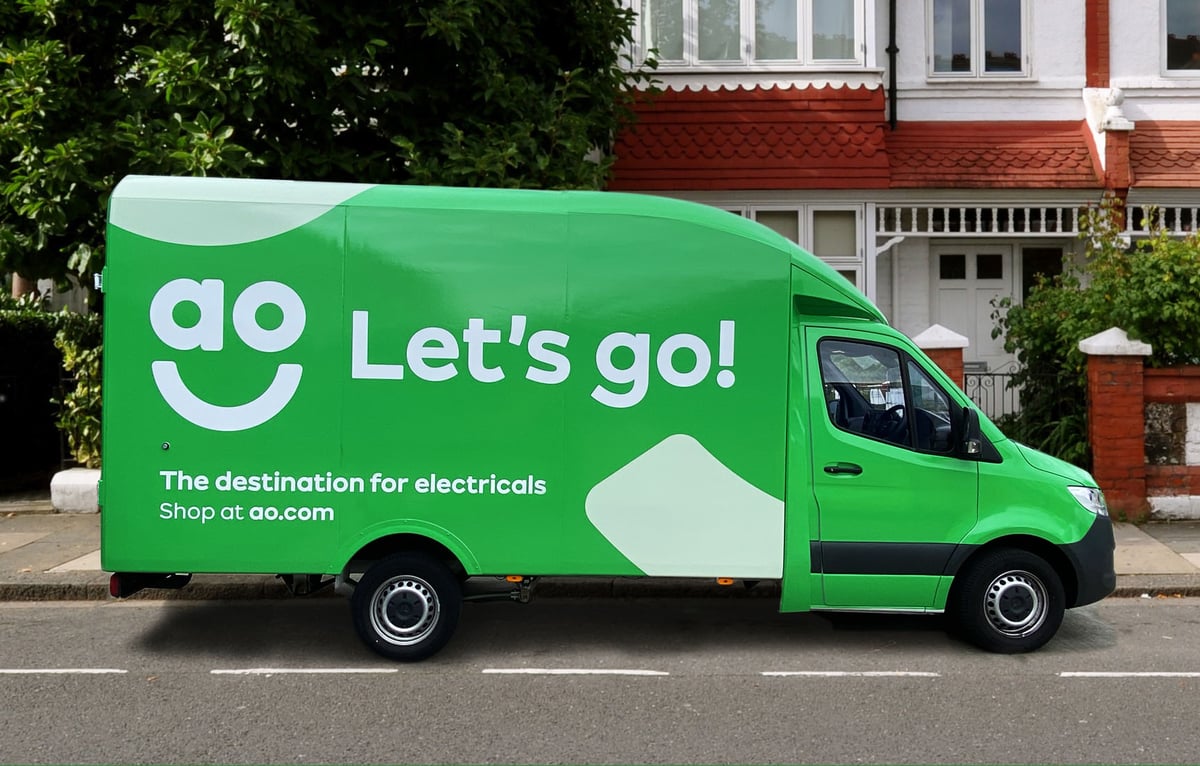
Think AO, the e-commerce electrical retailer, a prime example of consistency and creativity: the smiley face logo, green Pantone, and careful adaptation of The Ramones' Blitzkrieg Bop' Lyrics “A, O, let’s go...” and more recently, a mascot bear that has its own web channel and following.
In data provided by System1 for their co-produced report with Effie, How Creativity Multiplies Profit (2025), a meaningful proportion of viewers (20%) don’t know what brand an ad is for – even after watching the whole thing.
This is a valuable lesson. Every time you change your codes, you force buyers to relearn what “you” looks and sounds like – increasing friction and reducing consistency.
It takes a strong-willed, informed marketer to hold their nerve and not be seduced by the prospect of creating a whole host of shiny new brand assets to play with.
Consistency means looking like yourself. It’s using the same palette of brand codes to become recognisable to consumers. Successful brands like AO do this because it pays off in very real terms. The System1/Effie report shows that the most consistent brands deliver an average ROI of 8.8, compared with 2.1 for the least consistent.
The impact of consistency only becomes greater over time
The impact of consistency only becomes greater over time, with the same report finding that average business results rise from 2.1 for campaigns running <3 months to 3.0 for campaigns running 3+ years, bringing a profit multiplier of 2.9x.
This aligns with broader effectiveness work on the need to invest in long-term brand building alongside short-term sales activation. If you can take one lesson on advertising effectiveness from Mark Ritson and the MiniMBA in Marketing, it's that brand building takes time to work.
Consistent doesn't mean boring
Of course, the moment you argue for consistency, someone will worry you’re arguing for boring. You’re not. You’re arguing for disciplined brand building and creativity at the same time. Consistency is anything but boring. It provides a platform for creativity to thrive.
The collaborative (not-so-dull) white paper The Extraordinary Cost of Dull (2024) explains this well: 50% of ads are less engaging than cows in a field. (No really, they tested it.)
Across the UK and US, media campaigns that spark no emotional response spend an average £9.6 million extra just to match the share of voice of their emotional counterparts.
Brand code uniformity isn’t permission to freeze creativity. It’s about keeping the codes cohesive so that ideas can flow through them, creating campaigns that entertain and persuade, all while maintaining a consistent look and sound that reflects your brand year after year.
Less than 50% of marketers know what brand codes are
In a new study from Ipsos, 1,226 marketing practitioners across the UK, US, Canada and Australia were asked to complete a 10-question basic skills assessment, developed with our own Professor Ritson.
Less than half the participants could correctly identify DBAs – despite the mounting body of evidence on their effectiveness from System1, Ehrenberg-Bass and a decade of schooling from Mark Ritson.
Unlocking the power of brand codes, then, can give you an even bigger advantage against the untrained or undisciplined.
Read more or download the full report here: 65% of marketers fail to meet basic knowledge benchmark, reveals Ipsos study
Or you can learn more about brand codes on the MiniMBA in Brand Management. Professor Mark Ritson will take you through the how and why of brand codes, as well as some case studies of effective brand codes in action.
The next course starts in April – secure your place here.
Cover: AO World PLC