
Four articles, one theme. Marketers keep doing the same annoying things, and Mark is more than willing to call them out.
We discount our prices, lessening the value we’ve worked so hard to show in our marketing, and damaging our profits at the same time. We obsess over advertising and the Promotional P at the expense of the fundamentals. We pile our entire budget into whatever channel is in the spotlight (creators this time), when we know multiple channels with a connected message works best. And we're so busy hunting for 'AI slop' that we forget AI, used properly, is just another tool in the kit.
But don’t fret. If you want to become a far less annoying marketer, and become incredibly well-trained in the process, the MiniMBA in Marketing is starting this week.
MBA-level, CPD-accredited training built for working marketers, not students. Ten on-demand modules led by Professor Mark Ritson. Evidence-based. Immediately applicable.
The Drum: 10 reasons to never, ever cut prices
 Photo: Ezekiel See/Unsplash
Read the full article on The Drum
For the proportion of our readership who aren’t new, you will know of Mark’s deep, unwavering rejection of price promotions.
As Mark so plainly put it in his recent article on The Drum, “the single most stupid thing you can do in marketing is also common to the point of being industry standard. Black Friday demonstrates the consequences every year, as brands sacrifice margin, encourage stockpiling and create the sales lull that follows.”
He commends P&G for being one of the few brands to stand strong against discounting. Last month Andre Schulten, P&G’s CFO, dismissed promotion and explained the brand were deliberately taking longer to claw back market share, “because it refuses to buy that share with promotions, which deliver gains that evaporate the moment the fuel stops flowing.”
Out of Mark’s 10 (very compelling) reasons brands shouldn't cut their prices, here are my top three.
One. We know that price is the biggest lever when it comes to profit. A 1% price increase yields more profit than a 1% increase in sales or a 1% reduction in costs. Every time you succumb to promotions, you directly affect your profit. “Cut the price by 20% on a typical consumer margin, and you need to roughly double your volume just to make the same money. You won’t. Nobody does.”
Two, it’s addictive. Once you dip your toe into discounting, it’s easy to repeat the mistake. “Share dips whenever you stop, so you don’t. Before you know it, the needle of sales promotion is hanging limply from your brand’s increasingly flaccid skin.”
Three. You make a mockery of the very people you need to keep close, your loyal customers. “They paid full price last month, only to watch you shit all over their purchase and your margin with a dirty 30% badge. They love your brand. They are not idiots.”
Discounting is anti-marketing by its very nature. Marketers spend thousands (millions in some cases) showing their brands’ value to its customers, all to ruin the illusion with a reduced sticker.
Common mistakes, like discounting, are what happens when marketing is not involved in the pricing process.
At MiniMBA, we have a whole module dedicated to getting pricing right. Our September cohort of the MiniMBA in Marketing starts this week. £1,950 for 12 weeks of the most robust, marketing training you may ever experience. Sorry, no discount codes for this one.
ADWEEK: How Burger King Drank Wendy’s Milk Shake
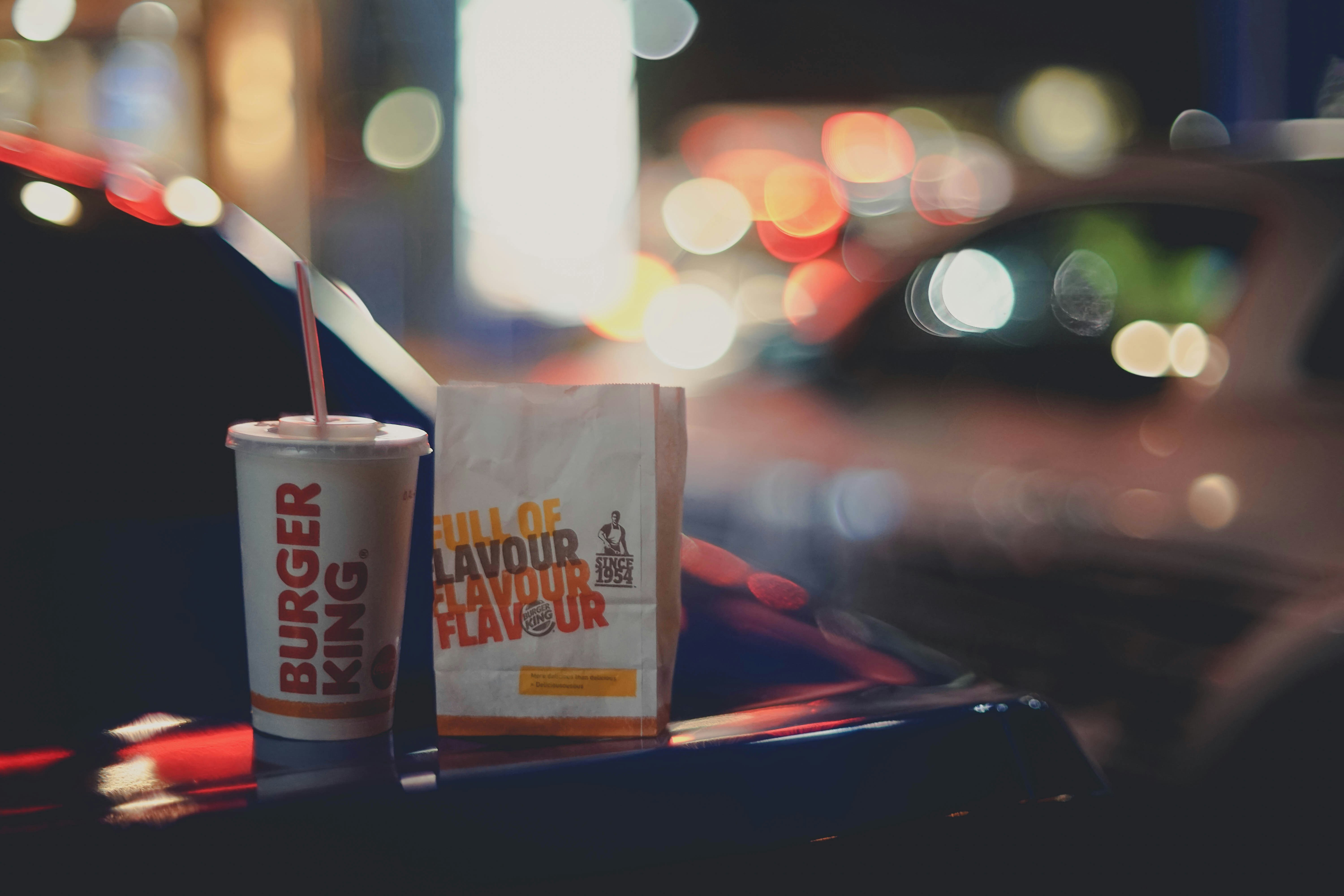 Photo: Zita Timar/Upsplash
Read the full article on ADWEEK
In 2021, Wendy’s overtook Burger King as America’s second biggest burger chain. No prizes for guessing number one.
Wendy’s position against McDonald’s with ‘Fresh, never frozen beef’, and a national launch of its breakfast range (all of which was backed up by media spend and a strong, consistent voice), ultimately led to the chain climbing the podium.
Meanwhile, Burger King was suffering from what Mark likes to call ‘AADD’, Advertising Attention Deficit Disorder. “Burger King ignored positioning, product, place, and price, all while promotion did interpretive dance moves on a cocktail of everchanging insights.”
But in 2022, something miraculous happened. Burger King put down its bells and whistles in favour of good marketing foundations and effective campaigns with longevity.
The burger chain invested $400 million into advertising, remodelling dated restaurants, and told Wall Street that two years of earnings would be affected. The sign a brand understands what it takes to properly turn itself around.
Fast forward to last month when Burger King dethroned Wendy’s from second place. A spot Wendy’s will not be clawing back anytime soon after reporting 6 consecutive quarterly declines and welcoming its third CEO in 3 years.
According to Mark, Wendy’s needs what Burger King needed in 2021. “An honest diagnosis, a new strategy, all the Ps harnessed, and patience to fund and execute several unglamorous years of change. And if Wendy’s needs a case study to inspire their transformation, it can refer to Burger King.”
This is a classic case of ‘here’s what happens when you nail the basics’. Once Burger King paused and reintroduced proper marketing fundamentals into the mix, they reaped the rewards.
Proper marketing fundamentals is our bread and butter. Wondering if the MiniMBA in Marketing is right for you? Take our quiz and find out.
The Drum: Brands are all in on creators. Meanwhile, the economics crash
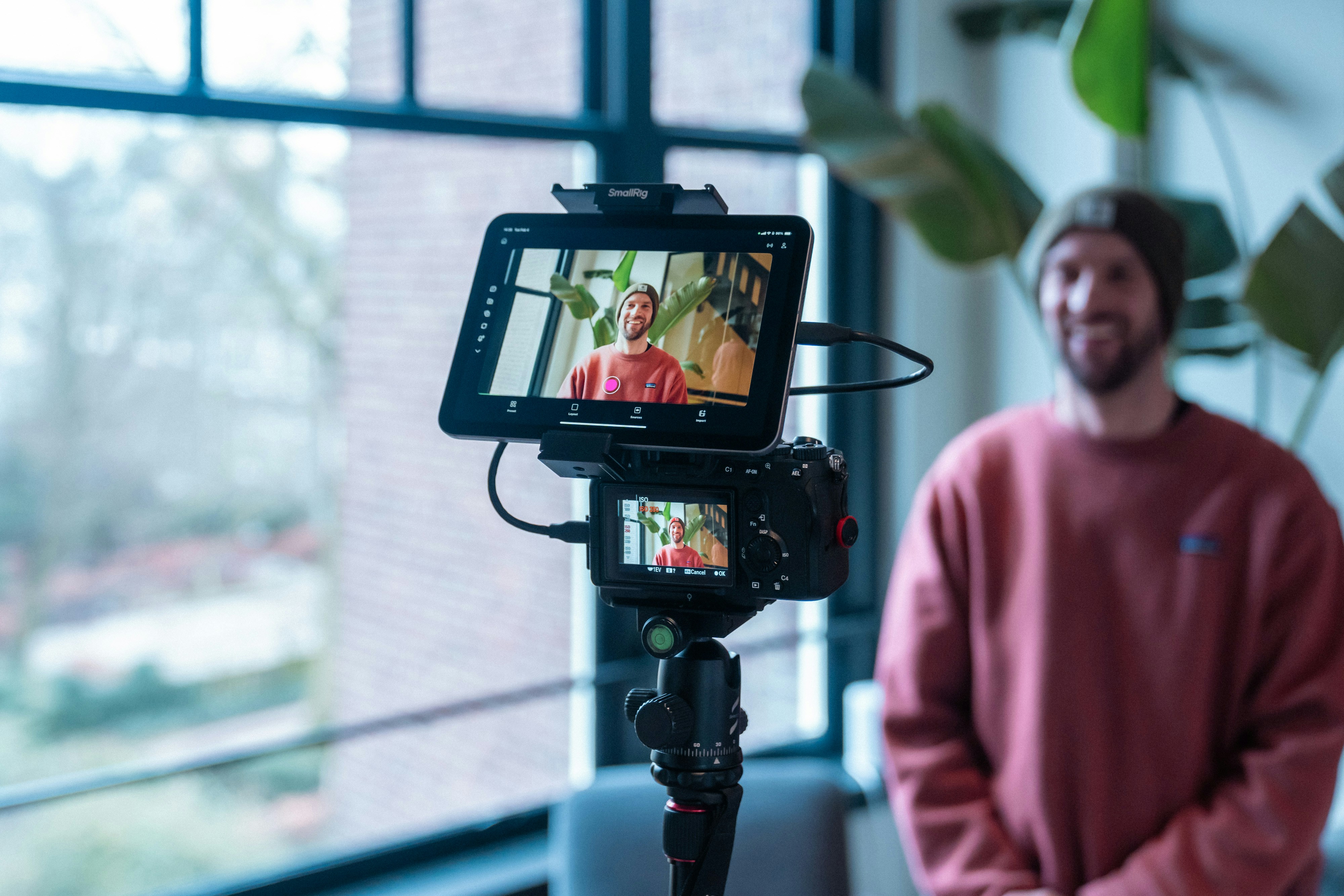 Photo: Detail.co/Unsplash
Every time the newest shiny object comes on the marketing scene, we all tell ourselves we won’t be swept away with it. We are hesitant at first, but before you know it you’re doing a talk at Cannes Lions about the very subject you were trying to keep at arm’s length.
That is seemingly what happened with “creators”, at least.
“Creator-led” has replaced “digital-first” as the phrase that ends careers slowest. And the money has followed the mouth. Some 86% of American marketers now use influencer marketing, up from 64.5% in 2020, according to eMarketer.”
Marketers are in a frenzy when it comes to creators, but the industry still doesn’t seem to have a clear answer on, well, any of it.
The influencer market is estimated somewhere in the region of $34bn to $49bn, a not so reassuring $15bn variance. Apparently, brands earn $5.78 for every dollar spent on influencer marketing, depending on who you ask.
“The people most convinced that the influencer economy is the biggest thing in marketing are, it turns out, influencers, for influencer marketing. The inmates are not merely running the asylum. They are running the whole mental health system and most of healthcare too.”
In the real world, the story is not so desirable. Brands are opting for cheaper nano and micro-influencers, which is causing strain on the mid-tier professional creators. Some are leaning into paid DMs to generate revenue, while others are returning to corporate jobs.
The audience are dwindling too, with fewer people spending time on social media. Over half of respondents from a 2026 Incogni survey of US adults said maintaining a social presence ‘feels like work’.
“The influencer economy is thinning at both ends. Fewer influencers can afford to stay in, and fewer civilians are awaiting their influence.”
This doesn’t mean marketers shouldn’t use creators. It means marketers should remember what they’re paying for (reach over authenticity and connection), and shouldn’t put all their eggs (budget) into one basket (channel).
“Tools work best in combination, each covering the weaknesses of the others, which is why TV plus search beats either alone, why brand plus activation beats both apart, why the most important word in the long and the short of it is the little one beginning with “a,” and why the best work of the past decade has been resolutely multichannel.”
The moral of the story is that creators serve an important function in your campaign, but are not the be all and end all.
Columnist at MiniMBA, Peter Sumpton, recently likened omnichannel to a Sunday roast. Warning, the contents of this article may cause extreme hunger.
The Drum: I used Claude to help write this. It’s still mine. Right?
 Photo: Solen Feyissa/Unsplash
Read the full article on The Drum
We are in the era of ‘AI slop’, with LinkedIn announcing it would start detecting AI-generated content earlier this year. You may have spotted the ‘Seems like AI slop’ button if you click the three dots in the top-right corner of a user’s post.
The thing is, we are so quick to name and shame content as AI-generated that we forget we can (and should) be using it, in the right ways.
Tools like Pangram, which is used by universities, publishers and editorial industries, are remarkably good at telling the difference between human writing and known machine writing. Pangram recently flagged 41% of long-form posts on LinkedIn as fully AI-generated.
However, it doesn’t necessarily give us the full picture, with Mark arguing that the current LinkedIn criticism misses the point.
“AI is doing what it does to everything that has information at its core. Optimizing. Improving. Evolving. Yes, it produces slop, because most of the humans on LinkedIn were producing slop long before it arrived, and machines simply learned from the best. Remember, before AI, 41% of LinkedIn constituted: “I was rejected by 47 companies and here is what it taught me about leadership.”
Mark confessed in a recent column that he uses Claude to help him write. He also uses his 20 years of experience as a columnist, and his Editor, who likely also uses an LLM to improve his output.
Does the fact Pangram labelled his column as 55% AI-written diminish the quality, informativeness and distinct style of his work? No, because the human is still showing up in the right ways.
Whilst we navigate this weird middle ground of AI-generated content, Mark claims, as usual, that bothism is best.
“At one extreme, you have generic slop. At the other, handwritten, slow, inefficient writing. Organic plus AI is a superior alternative. A prime example of bothism.”
We’re already using AI to better our output in marketing, from making content more efficiently to optimising campaigns for greater performance.
But AI’s real superpower is in market research. 2 years ago, Mark wrote about synthetic research and how AI can be used to imitate expensive, time-consuming market research projects, with extreme accuracy, and his point still stands up today.
Cover: Ali Rezaei / Unsplash